
 EN
EN 25 Best Inventions of 20th Century

The Best Inventions of the 20th Century: During the hundred years of the 20th century, technology, science, invention and re-invention progressed at an accelerated pace than in any other century.
We started the 20th century with the infancy of the airplane, the automobile, and the radio, when those inventions amazed us with their novelty and wonder.
We ended the 20th century with spaceships, computers, cell phones and wireless internet.
Best Inventions of the 20th Century
Mobile phone
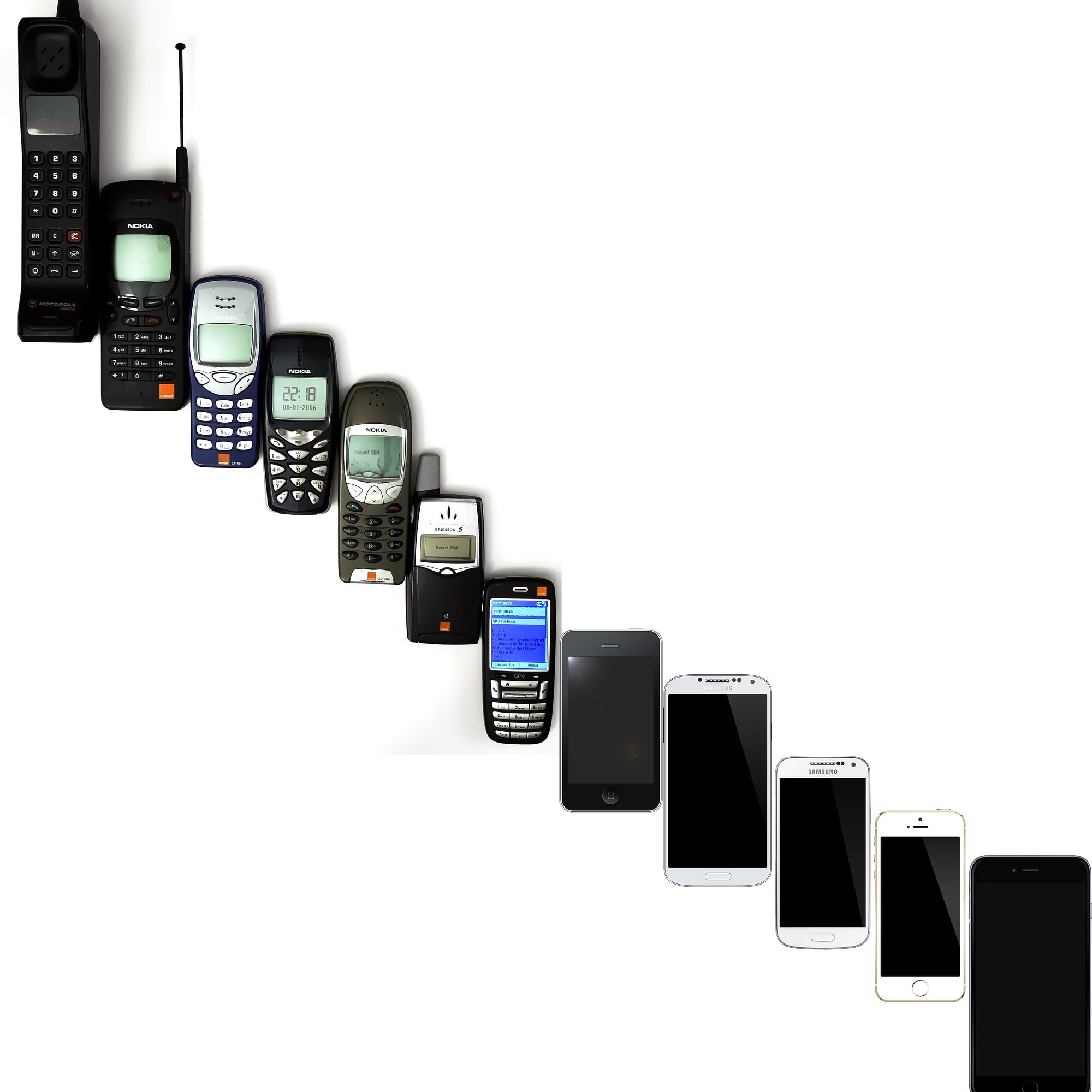
A mobile phone is a portable telephone that can make and receive calls over a radio frequency link while the user is moving within a telephone service area. The radio frequency link establishes a connection to the switching systems of a mobile phone operator, which provides access to the public switched telephone network (PSTN). Modern mobile telephone services use a cellular network architecture and, therefore, mobile telephones are called cellular telephones or cell phones in North America. In addition to telephony, digital mobile phones support a variety of other services, such as text messaging, multimedia messagIng, email, Internet access (via LTE, 5G NR or Wi-Fi), short-range wireless communications (infrared, Bluetooth), satellite access (navigation, messaging connectivity), business applications, video games and digital photography. Mobile phones offering only those capabilities are known as feature phones; mobile phones which offer greatly advanced computing capabilities are referred to as smartphones.The first handheld mobile phone was demonstrated by Martin Cooper of Motorola in New York City in 1973, using a handset weighing c. 2 kilograms (4.4 lbs). In 1979, Nippon Telegraph and Telephone (NTT) launched the world’s first cellular network in Japan. In 1983, the DynaTAC 8000x was the first commercially available handheld mobile phone. From 1983 to 2014, worldwide mobile phone subscriptions grew to over seven billion; enough to provide one for every person on Earth. In the first quarter of 2016, the top smartphone developers worldwide were Samsung, Apple and Huawei; smartphone sales represented 78 percent of total mobile phone sales. For feature phones (slang: “dumbphones”) as of 2016, the top-selling brands were Samsung, Nokia and Alcatel.Mobile phones are considered an important human invention as it has been one of the most widely used and sold pieces of consumer technology. The growth in popularity has been rapid in some places, for example in the UK the total number of mobile phones overtook the number of houses in 1999. Today mobile phones are globally ubiquitous, and in almost half the world’s countries, over 90% of the population own at least one.
Read More About Mobile phone / Source
Air Conditioning
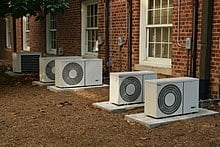
Air conditioning, often abbreviated as A/C or AC, is the process of removing heat and controlling the humidity of air in an enclosed space to achieve a more comfortable interior environment by use of powered “air conditioners” or a variety of other methods, including passive cooling and ventilative cooling. Air conditioning is a member of a family of systems and techniques that provide heating, ventilation, and air conditioning (HVAC).
Air conditioners, which typically use vapor-compression refrigeration, range in size from small units used within vehicles or single rooms to massive units that can cool large buildings. Air source heat pumps, which can be used for heating as well as cooling, are becoming increasingly common in cooler climates.
According to the IEA, as of 2018, 1.6 billion air conditioning units were installed, which accounted for an estimated 20% of energy usage in buildings globally with the number expected to grow to 5.6 billion by 2050. The United Nations called for the technology to be made more sustainable to mitigate climate change using techniques including passive cooling, evaporative cooling, selective shading, windcatchers and better thermal insulation. CFC and HCFC refrigerants such as R-12 and R-22, respectively, used within air conditioners have caused damage to the ozone layer, and HFC refrigerants such as R-410a and R-404a, which were designed to replace CFCs and HCFCs, are instead exacerbating climate change. Both issues happen due to venting of refrigerant to the atmosphere, such as during repairs. HFO refrigerants, used in some if not most new equipment, solve both issues with an ozone damage potential (ODP) of zero and a much lower global warming potential (GWP) in the single or double digits vs. the three or four digits of HFCs.
Read More About Air Conditioning / Source
Contraceptive pill
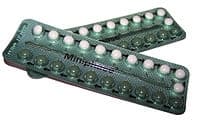
The combined oral contraceptive pill (COCP), often referred to as the birth control pill or colloquially as “the pill”, is a type of birth control that is designed to be taken orally by women. It includes a combination of an estrogen (usually ethinylestradiol) and a progestogen (specifically a progestin). When taken correctly, it alters the menstrual cycle to eliminate ovulation and prevent pregnancy.
They were first approved for contraceptive use in the United States in 1960, and are a very popular form of birth control. They are used by more than 100 million women worldwide and by almost 12 million women in the United States. From 2015 to 2017, 12.6% of women aged 15–49 in the US reported using oral contraception, making it the second most common method of contraception in this age range with female sterilization being the most common method. Use varies widely by country, age, education, and marital status. For example, one third of women aged 16–49 in the United Kingdom currently use either the combined pill or progestogen-only pill (POP), compared with less than 3% of women in Japan (as of 1950-2014).Combined oral contraceptives are on the World Health Organization’s List of Essential Medicines. The pill was a catalyst for the sexual revolution.
Read More About Contraceptive pill / Source
The Airplane

An airplane or aeroplane (informally plane) is a fixed-wing aircraft that is propelled forward by thrust from a jet engine, propeller, or rocket engine. Airplanes come in a variety of sizes, shapes, and wing configurations. The broad spectrum of uses for airplanes includes recreation, transportation of goods and people, military, and research. Worldwide, commercial aviation transports more than four billion passengers annually on airliners and transports more than 200 billion tonne-kilometers of cargo annually, which is less than 1% of the world’s cargo movement. Most airplanes are flown by a pilot on board the aircraft, but some are designed to be remotely or computer-controlled such as drones.
The Wright brothers invented and flew the first airplane in 1903, recognized as “the first sustained and controlled heavier-than-air powered flight”. They built on the works of George Cayley dating from 1799, when he set forth the concept of the modern airplane (and later built and flew models and successful passenger-carrying gliders). Between 1867 and 1896, the German pioneer of human aviation Otto Lilienthal also studied heavier-than-air flight. Following its limited use in World War I, aircraft technology continued to develop. Airplanes had a presence in all the major battles of World War II. The first jet aircraft was the German Heinkel He 178 in 1939. The first jet airliner, the de Havilland Comet, was introduced in 1952. The Boeing 707, the first widely successful commercial jet, was in commercial service for more than 50 years, from 1958 to at least 2013.
Read More About The Airplane / Source
Antibiotics
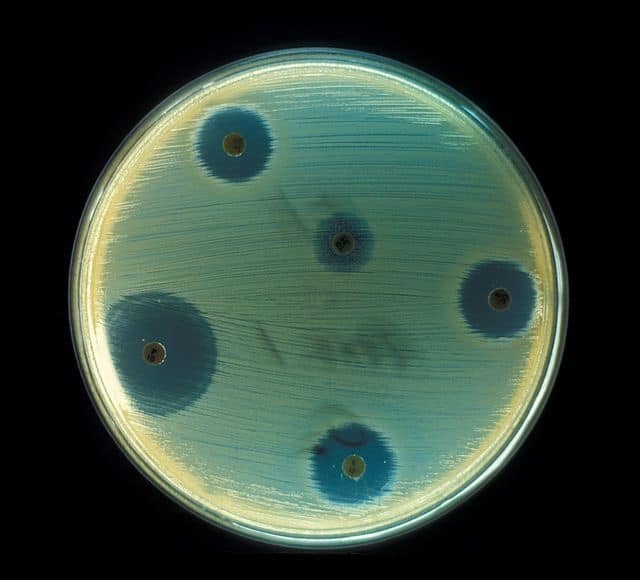
An antibiotic is a type of antimicrobial substance active against bacteria. It is the most important type of antibacterial agent for fighting bacterial infections, and antibiotic medications are widely used in the treatment and prevention of such infections. They may either kill or inhibit the growth of bacteria. A limited number of antibiotics also possess antiprotozoal activity. Antibiotics are not effective against viruses such as the common cold or influenza; drugs which inhibit viruses are termed antiviral drugs or antivirals rather than antibiotics.
Sometimes, the term antibiotic—literally “opposing life”, from the Greek roots ἀντι anti, “against” and βίος bios, “life”—is broadly used to refer to any substance used against microbes, but in the usual medical usage, antibiotics (such as penicillin) are those produced naturally (by one microorganism fighting another), whereas nonantibiotic antibacterials (such as sulfonamides and antiseptics) are fully synthetic. However, both classes have the same goal of killing or preventing the growth of microorganisms, and both are included in antimicrobial chemotherapy. “Antibacterials” include antiseptic drugs, antibacterial soaps, and chemical disinfectants, whereas antibiotics are an important class of antibacterials used more specifically in medicine and sometimes in livestock feed.
Antibiotics have been used since ancient times. Many civilizations used topical application of mouldy bread, with many references to its beneficial effects arising from ancient Egypt, Nubia, China, Serbia, Greece, and Rome. The first person to directly document the use of molds to treat infections was John Parkinson (1567–1650). Antibiotics revolutionized medicine in the 20th century. Alexander Fleming (1881–1955) discovered modern day penicillin in 1928, the widespread use of which proved significantly beneficial during wartime. However, the effectiveness and easy access to antibiotics have also led to their overuse and some bacteria have evolved resistance to them. The World Health Organization has classified antimicrobial resistance as a widespread “serious threat [that] is no longer a prediction for the future, it is happening right now in every region of the world and has the potential to affect anyone, of any age, in any country”.
Read More About Antibiotics / Source
Bar Codes

A barcode or bar code is a method of representing data in a visual, machine-readable form. Initially, barcodes represented data by varying the widths and spacings of parallel lines. These barcodes, now commonly referred to as linear or one-dimensional (1D), can be scanned by special optical scanners, called barcode readers, of which there are several types. Later, two-dimensional (2D) variants were developed, using rectangles, dots, hexagons and other patterns, called matrix codes or 2D barcodes, although they do not use bars as such. 2D barcodes can be read using purpose-built 2D optical scanners, which exist in a few different forms. 2D barcodes can also be read by a digital camera connected to a microcomputer running software that takes a photographic image of the barcode and analyzes the image to deconstruct and decode the 2D barcode. A mobile device with an inbuilt camera, such as smartphone, can function as the latter type of 2D barcode reader using specialized application software. (The same sort of mobile device could also read 1D barcodes, depending on the application software.)
The barcode was invented by Norman Joseph Woodland and Bernard Silver and patented in the US in 1951. The invention was based on Morse code that was extended to thin and thick bars. However, it took over twenty years before this invention became commercially successful. UK magazine ‘Modern Railways’ December 1962 pages 387-389 record how British Railways had already perfected a barcode-reading system capable of correctly reading rolling stock travelling at 100mph with no mistakes but the system was abandoned when privatisation of the railways took place. An early use of one type of barcode in an industrial context was sponsored by the Association of American Railroads in the late 1960s. Developed by General Telephone and Electronics (GTE) and called KarTrak ACI (Automatic Car Identification), this scheme involved placing colored stripes in various combinations on steel plates which were affixed to the sides of railroad rolling stock. Two plates were used per car, one on each side, with the arrangement of the colored stripes encoding information such as ownership, type of equipment, and identification number. The plates were read by a trackside scanner, located for instance, at the entrance to a classification yard, while the car was moving past. The project was abandoned after about ten years because the system proved unreliable after long-term use.Barcodes became commercially successful when they were used to automate supermarket checkout systems, a task for which they have become almost universal. The Uniform Grocery Product Code Council had chosen, in 1973, the barcode design developed by George Laurer. Laurer’s barcode, with vertical bars, printed better than the circular barcode developed by Woodland and Silver. Their use has spread to many other tasks that are generically referred to as automatic identification and data capture (AIDC). The first scanning of the now-ubiquitous Universal Product Code (UPC) barcode was on a pack of Wrigley Company chewing gum in June 1974 at a Marsh supermarket in Troy, Ohio, using scanner produced by Photographic Sciences Corporation. QR codes, a specific type of 2D barcode, have recently become very popular due to the growth in smartphone ownership.Other systems have made inroads in the AIDC market, but the simplicity, universality and low cost of barcodes has limited the role of these other systems, particularly before technologies such as radio-frequency identification (RFID) became available after 1995.
Read More About Bar Codes / Source
GPS
The Global Positioning System (GPS), originally Navstar GPS, is a satellite-based radionavigation system owned by the United States government and operated by the United States Space Force. It is one of the global navigation satellite systems (GNSS) that provides geolocation and time information to a GPS receiver anywhere on or near the Earth where there is an unobstructed line of sight to four or more GPS satellites. Obstacles such as mountains and buildings can block the relatively weak GPS signals.
The GPS does not require the user to transmit any data, and it operates independently of any telephonic or Internet reception, though these technologies can enhance the usefulness of the GPS positioning information. The GPS provides critical positioning capabilities to military, civil, and commercial users around the world. The United States government created the system, maintains and controls it, and makes it freely accessible to anyone with a GPS receiver.The GPS project was started by the U.S. Department of Defense in 1973. The first prototype spacecraft was launched in 1978 and the full constellation of 24 satellites became operational in 1993. Originally limited to use by the United States military, civilian use was allowed from the 1980s following an executive order from President Ronald Reagan after the Korean Air Lines Flight 007 incident. Advances in technology and new demands on the existing system have now led to efforts to modernize the GPS and implement the next generation of GPS Block IIIA satellites and Next Generation Operational Control System (OCX). Announcements from Vice President Al Gore and the Clinton Administration in 1998 initiated these changes, which were authorized by the U.S. Congress in 2000.
During the 1990s, GPS quality was degraded by the United States government in a program called “Selective Availability”; this was discontinued on May 1, 2000, by a law signed by President Bill Clinton.The GPS service is controlled by the United States government, which can selectively deny access to the system, as happened to the Indian military in 1999 during the Kargil War, or degrade the service at any time. As a result, several countries have developed or are in the process of setting up other global or regional satellite navigation systems. The Russian Global Navigation Satellite System (GLONASS) was developed contemporaneously with GPS, but suffered from incomplete coverage of the globe until the mid-2000s. GLONASS can be added to GPS devices, making more satellites available and enabling positions to be fixed more quickly and accurately, to within two meters (6.6 ft). China’s BeiDou Navigation Satellite System began global services in 2018, and finished its full deployment in 2020.
There are also the European Union Galileo navigation satellite system, and India’s NavIC. Japan’s Quasi-Zenith Satellite System (QZSS) is a GPS satellite-based augmentation system to enhance GPS’s accuracy in Asia-Oceania, with satellite navigation independent of GPS scheduled for 2023.When selective availability was lifted in 2000, GPS had about a five-meter (16 ft) accuracy. GPS receivers that use the L5 band can have much higher accuracy, pinpointing to within 30 centimeters (11.8 in), while high-end users (typically engineering and land surveying applications) are able to have accuracy on several of the bandwidth signals to within two centimeters, and even sub-millimeter accuracy for long-term measurements. As of May 2021, 16 GPS satellites are broadcasting L5 signals, and the signals are considered pre-operational, scheduled to reach 24 satellites by approximately 2027.
Submarine
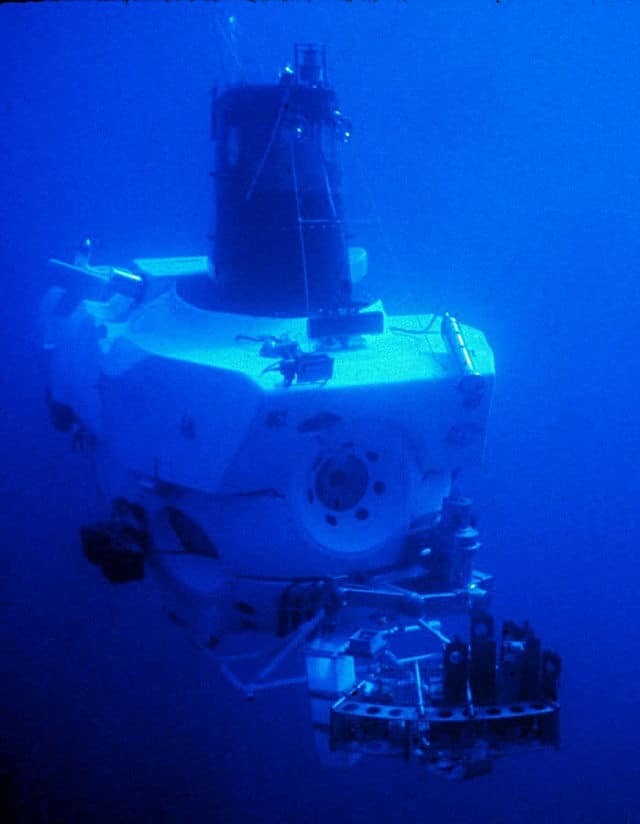
A submarine (or sub) is a watercraft capable of independent operation underwater. It differs from a submersible, which has more limited underwater capability. It is also sometimes used historically or colloquially to refer to remotely operated vehicles and robots, as well as medium-sized or smaller vessels, such as the midget submarine and the wet sub. Submarines are referred to as “boats” rather than “ships” irrespective of their size.Although experimental submarines had been built before, submarine design took off during the 19th century, and they were adopted by several navies. Submarines were first widely used during World War I (1914–1918), and are now used in many navies large and small. Military uses include attacking enemy surface ships (merchant and military) or other submarines, aircraft carrier protection, blockade running, nuclear deterrence, reconnaissance, conventional land attack (for example, using a cruise missile), and covert insertion of special forces. Civilian uses for submarines include marine science, salvage, exploration, and facility inspection and maintenance. Submarines can also be modified to perform more specialized functions such as search-and-rescue missions or undersea cable repair. Submarines are also used in tourism and undersea archaeology. Modern deep-diving submarines derive from the bathyscaphe, which evolved from the diving bell.
Most large submarines consist of a cylindrical body with hemispherical (or conical) ends and a vertical structure, usually located amidships, which houses communications and sensing devices as well as periscopes. In modern submarines, this structure is the “sail” in American usage and “fin” in European usage. A “conning tower” was a feature of earlier designs: a separate pressure hull above the main body of the boat that allowed the use of shorter periscopes. There is a propeller (or pump jet) at the rear, and various hydrodynamic control fins. Smaller, deep-diving, and specialty submarines may deviate significantly from this traditional layout. Submarines use diving planes and also change the amount of water and air in ballast tanks to change buoyancy for submerging and surfacing.
Submarines have one of the widest ranges of types and capabilities of any vessel. They range from small autonomous examples and one- or two-person subs that operate for a few hours to vessels that can remain submerged for six months—such as the Russian Typhoon class, the biggest submarines ever built. Submarines can work at greater depths than are survivable or practical for human divers.
Read More About Submarine / Source
Videogames
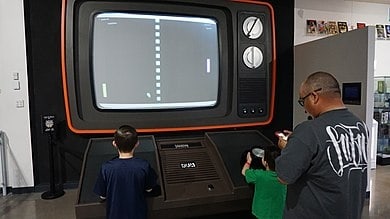
A video game or computer game is an electronic game that involves interaction with a user interface or input device – such as a joystick, controller, keyboard, or motion sensing device – to generate visual feedback. This feedback is shown on a video display device, such as a TV set, monitor, touchscreen, or virtual reality headset. Video games are often augmented with audio feedback delivered through speakers or headphones, and sometimes with other types of feedback, including haptic technology.
Video games are defined based on their platform, which include arcade video games, console games, and personal computer (PC) games. More recently, the industry has expanded onto mobile gaming through smartphones and tablet computers, virtual and augmented reality systems, and remote cloud gaming. Video games are classified into a wide range of genres based on their type of gameplay and purpose.
The first video game prototypes in the 1950s and 1960s are simple extensions of electronic games using video-like output from large room-size computers. The first consumer video game is the arcade video game Computer Space in 1971. In 1972 came the iconic hit arcade game Pong, and the first home console, the Magnavox Odyssey. The quickly-growing industry suffered from the crash of the North American video game market in 1983 due to loss of publishing control and saturation of the market. Following the crash, the industry matured, dominated by Japanese companies such as Nintendo, Sega, and Sony, and established practices and methods around the development and distribution of video games to prevent a similar crash in the future, many which continue to be followed. Today, video game development requires numerous skills to bring a game to market, including developers, publishers, distributors, retailers, console and other third-party manufacturers, and other roles.
In the 2000s, the core industry centered on “AAA” games, leaving little room for riskier, experimental games. Coupled with the availability of the Internet and digital distribution, this gave room for independent video game development (or indie games) to gain prominence into the 2010s. Since then, the commercial importance of the video game industry has been increasing. The emerging Asian markets and mobile games on smartphones in particular are altering player demographics towards casual gaming and increasing monetization by incorporating games as a service. As of 2020, the global video game market has estimated annual revenues of US$159 billion across hardware, software, and services. This is three times the size of the 2019 global music industry and four times that of the 2019 film industry.
Read More About Videogames / Source
Xerography

Xerography is a dry photocopying technique. Originally called electrophotography, it was renamed xerography—from the Greek roots ξηρός xeros, “dry” and -γραφία -graphia, “writing”—to emphasize that unlike reproduction techniques then in use such as cyanotype, the process of xerography used no liquid chemicals.
Read More About Xerography / Source
Fertilizer

A fertilizer (American English) or fertiliser (British English; see spelling differences) is any material of natural or synthetic origin that is applied to soil or to plant tissues to supply plant nutrients. Fertilizers may be distinct from liming materials or other non-nutrient soil amendments. Many sources of fertilizer exist, both natural and industrially produced. For most modern agricultural practices, fertilization focuses on three main macro nutrients: Nitrogen (N), Phosphorus (P), and Potassium (K) with occasional addition of supplements like rock dust for micronutrients. Farmers apply these fertilizers in a variety of ways: through dry or pelletized or liquid application processes, using large agricultural equipment or hand-tool methods.
Historically fertilization came from natural or organic sources: compost, animal manure, human manure, harvested minerals, crop rotations and byproducts of human-nature industries (i.e. fish processing waste, or bloodmeal from animal slaughter). However, starting in the 19th century, after innovations in plant nutrition, an agricultural industry developed around synthetically created fertilizers. This transition was important in transforming the global food system, allowing for larger-scale industrial agriculture with large crop yields. In particular nitrogen-fixing chemical processes such as the Haber process at the beginning of the 20th century, amplified by production capacity created during World War II led to a boom in using nitrogen fertilizers. In the later half of the 20th century, increased use of nitrogen fertilizers (800% increase between 1961 and 2019) have been a crucial component of the increased productivity of conventional food systems (more than 30% per capita) as part of the so-called “Green Revolution”.Synthetic fertilizer used in agriculture has wide-reaching environmental consequences. According to the Intergovernmental Panel on Climate Change (IPCC) Special Report on Climate Change and Land, production of these fertilizers and associated land use practices are key drivers of global warming. The use of fertilizer has also led to a number of direct environmental consequences: agricultural runoff which leads to downstream effects like ocean dead zones and waterway contamination, soil microbiome degradation, and accumulation of toxins in ecosystems. Indirect environmental impacts include: the environmental impacts of fracking for natural gas used in the Haber process, the agricultural boom is partially responsible for the rapid growth in human population and large-scale industrial agricultural practices are associated with habitat destruction, pressure on biodiversity and agricultural soil loss.
In order to mitigate environmental and food security concerns, the international community has included food systems in Sustainable Development Goal 2 which focuses on creating a climate-friendly and sustainable food production system. Most policy and regulatory approaches to address these issues focus on pivoting agricultural practices towards sustainable or regenerative agricultural practices: these use less synthetic fertilizers, better soil management (for example no-till agriculture) and more organic fertilizers.
Read More About Fertilizer / Source

Hearing aids
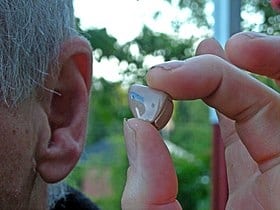
A hearing aid is a device designed to improve hearing by making sound audible to a person with hearing loss. Hearing aids are classified as medical devices in most countries, and regulated by the respective regulations. Small audio amplifiers such as PSAPs or other plain sound reinforcing systems cannot be sold as “hearing aids”.
Early devices, such as ear trumpets or ear horns, were passive amplification cones designed to gather sound energy and direct it into the ear canal. Modern devices are computerised electroacoustic systems that transform environmental sound to make it audible, according to audiometrical and cognitive rules. Modern devices also utilize sophisticated digital signal processing to try and improve speech intelligibility and comfort for the user. Such signal processing includes feedback management, wide dynamic range compression, directionality, frequency lowering, and noise reduction.
Modern hearing aids require configuration to match the hearing loss, physical features, and lifestyle of the wearer. The hearing aid is fitted to the most recent audiogram and is programmed by frequency. This process is called “fitting” and is performed by a Doctor of Audiology, also called an audiologist (AuD), or by a Hearing Instrument Specialist (HIS). The amount of benefit a hearing aid delivers depends in large part on the quality of its fitting. Almost all hearing aids in use in the US are digital hearing aids. Devices similar to hearing aids include the osseointegrated auditory prosthesis (formerly called the bone-anchored hearing aid) and cochlear implant.
Read More About Hearing aids / Source
Plastic
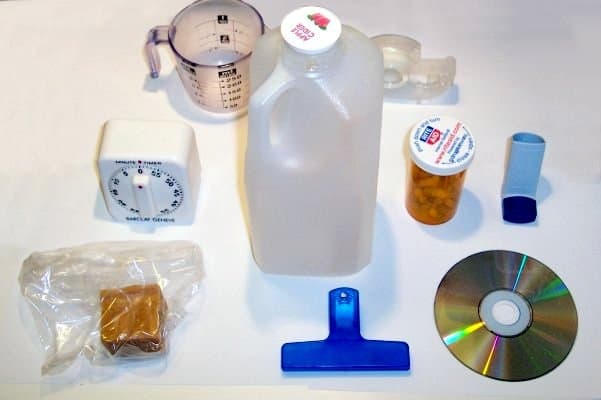
Plastics are a wide range of synthetic or semi-synthetic materials that use polymers as a main ingredient. Their plasticity makes it possible for plastics to be moulded, extruded or pressed into solid objects of various shapes. This adaptability, plus a wide range of other properties, such as being lightweight, durable, flexible, and inexpensive to produce, has led to its widespread use. Plastics typically are made through human industrial systems. Most modern plastics are derived from fossil fuel-based chemicals like natural gas or petroleum; however, recent industrial methods use variants made from renewable materials, such as corn or cotton derivatives.In developed economies, about a third of plastic is used in packaging and roughly the same in buildings in applications such as piping, plumbing or vinyl siding. Other uses include automobiles (up to 20% plastic ), furniture, and toys. In the developing world, the applications of plastic may differ; 42% of India’s consumption is used in packaging. In the medical field, polymer implants and other medical devices are derived at least partially from plastic. Worldwide, about 50 kg of plastic is produced annually per person, with production doubling every ten years.
The world’s first fully synthetic plastic was Bakelite, invented in New York in 1907, by Leo Baekeland, who coined the term “plastics”. Dozens of different types of plastics are produced today, such as polyethylene, which is widely used in product packaging, and polyvinyl chloride (PVC), used in construction and pipes because of its strength and durability. Many chemists have contributed to the materials science of plastics, including Nobel laureate Hermann Staudinger, who has been called “the father of polymer chemistry” and Herman Mark, known as “the father of polymer physics”.The success and dominance of plastics starting in the early 20th century has caused widespread environmental problems, due to their slow decomposition rate in natural ecosystems. Toward the end of the 20th century, the plastics industry promoted recycling in order to ease environmental concerns while continuing to produce virgin plastic. The main companies producing plastics doubted the economic viability of recycling at the time, and the economic viability has never improved. Plastic collection and recycling is largely ineffective because of failures of contemporary complexity required in cleaning and sorting post-consumer plastics for effective reuse. Most plastic produced has not been reused, either being captured in landfills or persisting in the environment as plastic pollution. Plastic pollution can be found in all the world’s major water bodies, for example, creating garbage patches in all of the world’s oceans and contaminating terrestrial ecosystems.
Read More About Plastic / Source
Radio Telescope
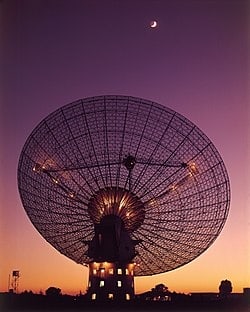
A radio telescope is a specialized antenna and radio receiver used to detect radio waves from astronomical radio sources in the sky. Radio telescopes are the main observing instrument used in radio astronomy, which studies the radio frequency portion of the electromagnetic spectrum emitted by astronomical objects, just as optical telescopes are the main observing instrument used in traditional optical astronomy which studies the light wave portion of the spectrum coming from astronomical objects. Unlike optical telescopes, radio telescopes can be used in the daytime as well as at night.
Since astronomical radio sources such as planets, stars, nebulas and galaxies are very far away, the radio waves coming from them are extremely weak, so radio telescopes require very large antennas to collect enough radio energy to study them, and extremely sensitive receiving equipment. Radio telescopes are typically large parabolic (“dish”) antennas similar to those employed in tracking and communicating with satellites and space probes. They may be used singly or linked together electronically in an array. Radio observatories are preferentially located far from major centers of population to avoid electromagnetic interference (EMI) from radio, television, radar, motor vehicles, and other man-made electronic devices.
Radio waves from space were first detected by engineer Karl Guthe Jansky in 1932 at Bell Telephone Laboratories in Holmdel, New Jersey using an antenna built to study radio receiver noise. The first purpose-built radio telescope was a 9-meter parabolic dish constructed by radio amateur Grote Reber in his back yard in Wheaton, Illinois in 1937. The sky survey he performed is often considered the beginning of the field of radio astronomy.
Read More About Radio Telescope / Source
Scientific plant breeding
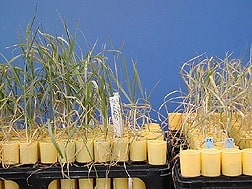
Plant breeding is the science of changing the traits of plants in order to produce desired characteristics. It has been used to improve the quality of nutrition in products for humans and animals. The goals of plant breeding are to produce crop varieties that boast unique and superior traits for a variety of agricultural applications. The most frequently addressed traits are those related to biotic and abiotic stress tolerance, grain or biomass yield, end-use quality characteristics such as taste or the concentrations of specific biological molecules (proteins, sugars, lipids, vitamins, fibers) and ease of processing (harvesting, milling, baking, malting, blending, etc.).Plant breeding can be performed through many different techniques ranging from simply selecting plants with desirable characteristics for propagation, to methods that make use of knowledge of genetics and chromosomes, to more complex molecular techniques (see cultigen and cultivar). Genes in a plant are what determine what type of qualitative or quantitative traits it will have. Plant breeders strive to create a specific outcome of plants and potentially new plant varieties, and in the course of doing so, narrow down the genetic diversity of that variety to a specific few biotypes.It is practiced worldwide by individuals such as gardeners and farmers, and by professional plant breeders employed by organizations such as government institutions, universities, crop-specific industry associations or research centers.
International development agencies believe that breeding new crops is important for ensuring food security by developing new varieties that are higher yielding, disease resistant, drought tolerant or regionally adapted to different environments and growing conditions.
Read More About Scientific plant breeding / Source
Holograms
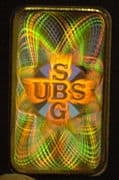
Holography is a technique that enables a wavefront to be recorded and later re-constructed. Holography is best known as a method of generating three-dimensional images, but it also has a wide range of other applications. In principle, it is possible to make a hologram for any type of wave.
A hologram is made by superimposing a second wavefront (normally called the reference beam) on the wavefront of interest, thereby generating an interference pattern which is recorded on a physical medium. When only the second wavefront illuminates the interference pattern, it is diffracted to recreate the original wavefront. Holograms can also be computer-generated by modelling the two wavefronts and adding them together digitally. The resulting digital image is then printed onto a suitable mask or film and illuminated by a suitable source to reconstruct the wavefront of interest.
Read More About Holograms / Source
Television
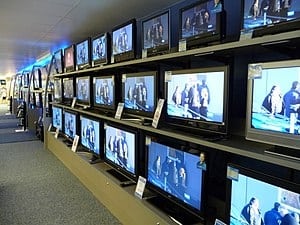
Television, sometimes shortened to TV or telly, is a telecommunication medium used for transmitting moving images in monochrome (black and white), or in color, and in two or three dimensions and sound. The term can refer to a television set, a television show, or the medium of television transmission. Television is a mass medium for advertising, entertainment, news, and sports.
Television became available in crude experimental forms in the late 1920s, but it would still be several years before the new technology would be marketed to consumers. After World War II, an improved form of black-and-white television broadcasting became popular in the United Kingdom and United States, and television sets became commonplace in homes, businesses, and institutions. During the 1950s, television was the primary medium for influencing public opinion. In the mid-1960s, color broadcasting was introduced in the U.S. and most other developed countries. The availability of various types of archival storage media such as Betamax and VHS tapes, high-capacity hard disk drives, DVDs, flash drives, high-definition Blu-ray Discs, and cloud digital video recorders has enabled viewers to watch pre-recorded material—such as movies—at home on their own time schedule. For many reasons, especially the convenience of remote retrieval, the storage of television and video programming now also occurs on the cloud (such as the video on demand service by Netflix). At the end of the first decade of the 2000s, digital television transmissions greatly increased in popularity. Another development was the move from standard-definition television (SDTV) (576i, with 576 interlaced lines of resolution and 480i) to high-definition television (HDTV), which provides a resolution that is substantially higher. HDTV may be transmitted in different formats: 1080p, 1080i and 720p. Since 2010, with the invention of smart television, Internet television has increased the availability of television programs and movies via the Internet through streaming video services such as Netflix, Amazon Video, iPlayer and Hulu.
In 2013, 79% of the world’s households owned a television set. The replacement of earlier bulky, high-voltage cathode ray tube (CRT) screen displays with compact, energy-efficient, flat-panel alternative technologies such as LCDs (both fluorescent-backlit and LED), OLED displays, and plasma displays was a hardware revolution that began with computer monitors in the late 1990s. Most television sets sold in the 2000s were flat-panel, mainly LEDs. Major manufacturers announced the discontinuation of CRT, DLP, plasma, and even fluorescent-backlit LCDs by the mid-2010s. In the near future, LEDs are expected to be gradually replaced by OLEDs. Also, major manufacturers have announced that they will increasingly produce smart TVs in the mid-2010s. Smart TVs with integrated Internet and Web 2.0 functions became the dominant form of television by the late 2010s.Television signals were initially distributed only as terrestrial television using high-powered radio-frequency television transmitters to broadcast the signal to individual television receivers. Alternatively television signals are distributed by coaxial cable or optical fiber, satellite systems and, since the 2000s via the Internet. Until the early 2000s, these were transmitted as analog signals, but a transition to digital television was expected to be completed worldwide by the late 2010s. A standard television set consists of multiple internal electronic circuits, including a tuner for receiving and decoding broadcast signals. A visual display device which lacks a tuner is correctly called a video monitor rather than a television.
Read More About Television / Source
Video tape recorder
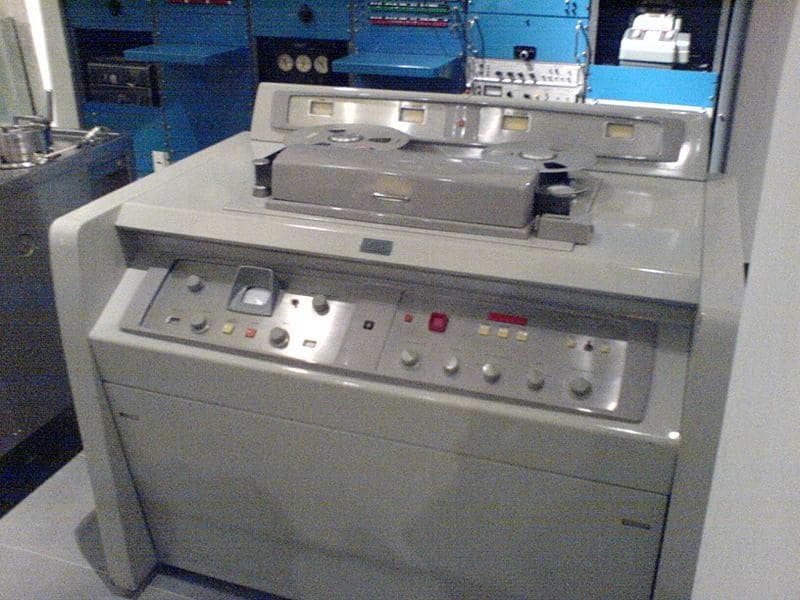
A video tape recorder (VTR) is a tape recorder designed to record and play back video and audio material from magnetic tape. The early VTRs were open-reel devices that record on individual reels of 2-inch-wide (5.08 cm) tape. They were used in television studios, serving as a replacement for motion picture film stock and making recording for television applications cheaper and quicker. Beginning in 1963, videotape machines made instant replay during televised sporting events possible. Improved formats, in which the tape was contained inside a videocassette, were introduced around 1969; the machines which play them are called videocassette recorders.
Agreement by Japanese manufacturers on a common standard recording format, so cassettes recorded on one manufacturer’s machine would play on another’s, made a consumer market possible; and the first consumer videocassette recorder, which used the U-matic format, was introduced by Sony in 1971.
Read More About Video tape recorder / Source
Personal computer
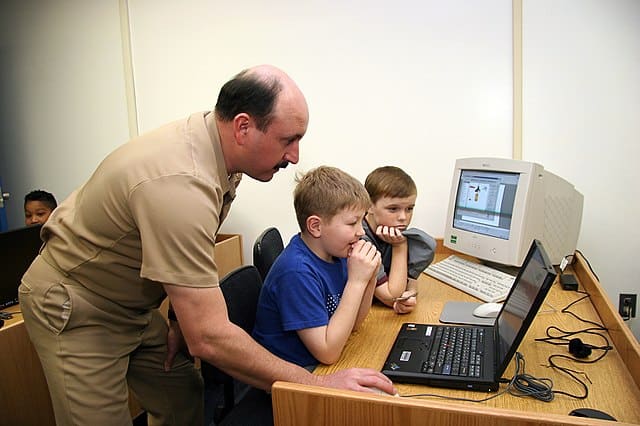
A personal computer (PC) is a multi-purpose computer whose size, capabilities, and price make it feasible for individual use. Personal computers are intended to be operated directly by an end user, rather than by a computer expert or technician. Unlike large, costly minicomputers and mainframes, time-sharing by many people at the same time is not used with personal computers.
Institutional or corporate computer owners in the 1960s had to write their own programs to do any useful work with the machines. While personal computer users may develop their own applications, usually these systems run commercial software, free-of-charge software (“freeware”), which is most often proprietary, or free and open-source software, which is provided in “ready-to-run”, or binary, form. Software for personal computers is typically developed and distributed independently from the hardware or operating system manufacturers. Many personal computer users no longer need to write their own programs to make any use of a personal computer, although end-user programming is still feasible. This contrasts with mobile systems, where software is often only available through a manufacturer-supported channel, and end-user program development may be discouraged by lack of support by the manufacturer.Since the early 1990s, Microsoft operating systems and Intel hardware dominated much of the personal computer market, first with MS-DOS and then with Microsoft Windows. Alternatives to Microsoft’s Windows operating systems occupy a minority share of the industry. These include Apple’s macOS and free and open-source Unix-like operating systems, such as Linux.
The advent of personal computers and the concurrent Digital Revolution have significantly affected the lives of people in all countries.
Read More About Personal computer / Source
Nuclear Power

Nuclear power is the use of nuclear reactions to produce electricity. Nuclear power can be obtained from nuclear fission, nuclear decay and nuclear fusion reactions. Presently, the vast majority of electricity from nuclear power is produced by nuclear fission of uranium and plutonium in nuclear power plants. Nuclear decay processes are used in niche applications such as radioisotope thermoelectric generators in some space probes such as Voyager 2. Generating electricity from fusion power remains the focus of international research.
Civilian nuclear power supplied 2,586 terawatt hours (TWh) of electricity in 2019, equivalent to about 10% of global electricity generation, and was the second-largest low-carbon power source after hydroelectricity. As of September 2021, there are 444 civilian fission reactors in the world, with a combined electrical capacity of 396 gigawatt (GW). There are also 53 nuclear power reactors under construction and 98 reactors planned, with a combined capacity of 60 GW and 103 GW, respectively. The United States has the largest fleet of nuclear reactors, generating over 800 TWh zero-emissions electricity per year with an average capacity factor of 92%. Most reactors under construction are generation III reactors in Asia.
Nuclear power has one of the lowest levels of fatalities per unit of energy generated compared to other energy sources. Coal, petroleum, natural gas and hydroelectricity each have caused more fatalities per unit of energy due to air pollution and accidents. Since its commercialization in the 1970s, nuclear power has prevented about 1.84 million air pollution-related deaths and the emission of about 64 billion tonnes of carbon dioxide equivalent that would have otherwise resulted from the burning of fossil fuels.
Accidents in nuclear power plants include the Chernobyl disaster in the Soviet Union in 1986, the Fukushima Daiichi nuclear disaster in Japan in 2011, and the more contained Three Mile Island accident in the United States in 1979.
There is a debate about nuclear power. Proponents, such as the World Nuclear Association and Environmentalists for Nuclear Energy, contend that nuclear power is a safe, sustainable energy source that reduces carbon emissions. Nuclear power opponents, such as Greenpeace and NIRS, contend that nuclear power poses many threats to people and the environment.
Read More About Nuclear Power / Source

Semiconductor electronics
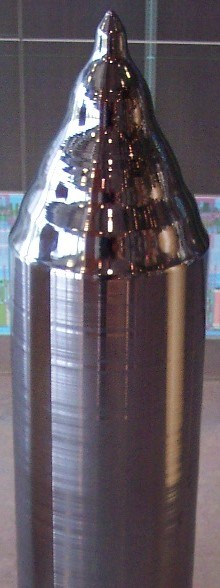
A semiconductor material has an electrical conductivity value falling between that of a conductor, such as metallic copper, and an insulator, such as glass. Its resistivity falls as its temperature rises; metals behave in the opposite way. Its conducting properties may be altered in useful ways by introducing impurities (“doping”) into the crystal structure. When two differently doped regions exist in the same crystal, a semiconductor junction is created. The behavior of charge carriers, which include electrons, ions, and electron holes, at these junctions is the basis of diodes, transistors, and most modern electronics. Some examples of semiconductors are silicon, germanium, gallium arsenide, and elements near the so-called “metalloid staircase” on the periodic table. After silicon, gallium arsenide is the second-most common semiconductor and is used in laser diodes, solar cells, microwave-frequency integrated circuits, and others. Silicon is a critical element for fabricating most electronic circuits.
Semiconductor devices can display a range of useful properties, such as passing current more easily in one direction than the other, showing variable resistance, and having sensitivity to light or heat. Because the electrical properties of a semiconductor material can be modified by doping and by the application of electrical fields or light, devices made from semiconductors can be used for amplification, switching, and energy conversion.
The conductivity of silicon is increased by adding a small amount (of the order of 1 in 108) of pentavalent (antimony, phosphorus, or arsenic) or trivalent (boron, gallium, indium) atoms. This process is known as doping, and the resulting semiconductors are known as doped or extrinsic semiconductors. Apart from doping, the conductivity of a semiconductor can be improved by increasing its temperature. This is contrary to the behavior of a metal, in which conductivity decreases with an increase in temperature.
The modern understanding of the properties of a semiconductor relies on quantum physics to explain the movement of charge carriers in a crystal lattice. Doping greatly increases the number of charge carriers within the crystal. When a doped semiconductor contains free holes, it is called “p-type”, and when it contains free electrons, it is known as “n-type”. The semiconductor materials used in electronic devices are doped under precise conditions to control the concentration and regions of p- and n-type dopants. A single semiconductor device crystal can have many p- and n-type regions; the p–n junctions between these regions are responsible for the useful electronic behavior. Using a hot-point probe, one can determine quickly whether a semiconductor sample is p- or n-type.Some of the properties of semiconductor materials were observed throughout the mid 19th and first decades of the 20th century. The first practical application of semiconductors in electronics was the 1904 development of the cat’s-whisker detector, a primitive semiconductor diode used in early radio receivers. Developments in quantum physics led in turn to the invention of the transistor in 1947, the integrated circuit in 1958, and the MOSFET (metal–oxide–semiconductor field-effect transistor) in 1959.
Read More About Semiconductor electronics / Source
Software
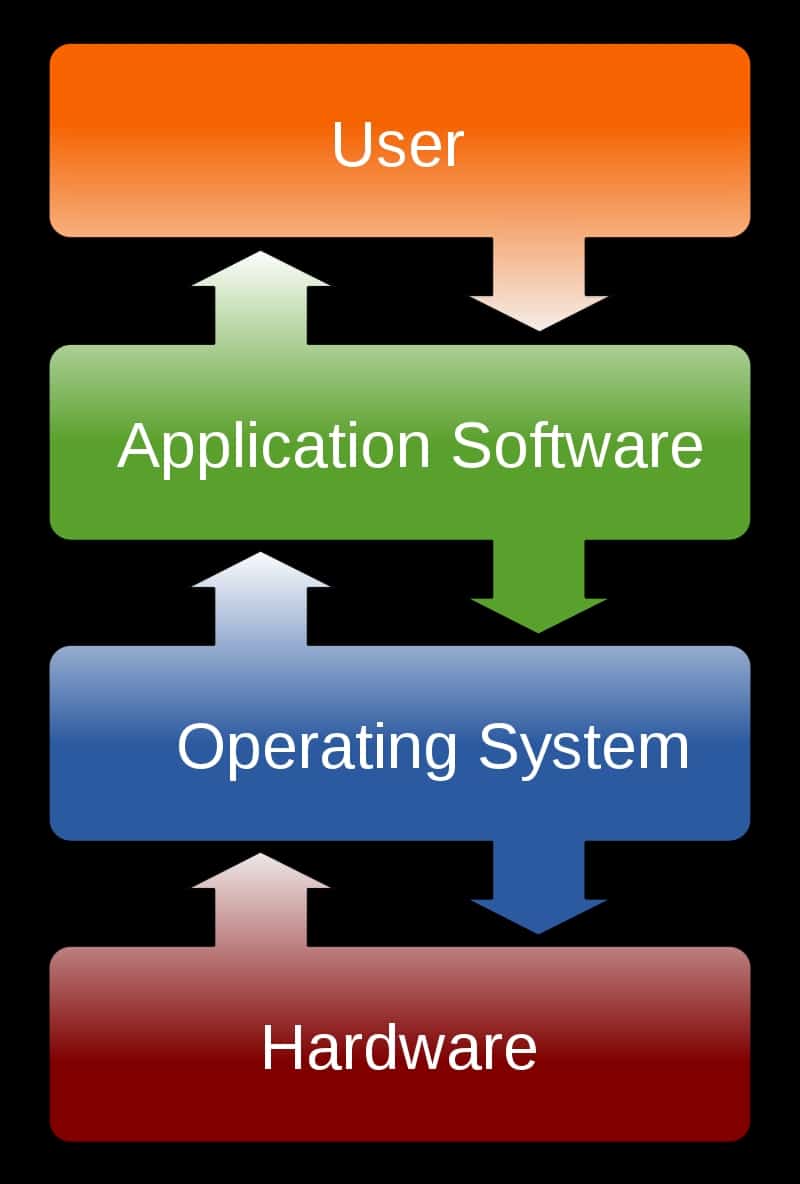
Software is a collection of instructions that tell a computer how to work. This is in contrast to hardware, from which the system is built and actually performs the work.
At the lowest programming level, executable code consists of machine language instructions supported by an individual processor—typically a central processing unit (CPU) or a graphics processing unit (GPU). Machine language consists of groups of binary values signifying processor instructions that change the state of the computer from its preceding state. For example, an instruction may change the value stored in a particular storage location in the computer—an effect that is not directly observable to the user. An instruction may also invoke one of many input or output operations, for example displaying some text on a computer screen; causing state changes which should be visible to the user. The processor executes the instructions in the order they are provided, unless it is instructed to “jump” to a different instruction, or is interrupted by the operating system. As of 2015, most personal computers, smartphone devices and servers have processors with multiple execution units or multiple processors performing computation together, and computing has become a much more concurrent activity than in the past.
The majority of software is written in high-level programming languages. They are easier and more efficient for programmers because they are closer to natural languages than machine languages. High-level languages are translated into machine language using a compiler or an interpreter or a combination of the two. Software may also be written in a low-level assembly language, which has a strong correspondence to the computer’s machine language instructions and is translated into machine language using an assembler.
Read More About Software / Source

Nitrogen fixation
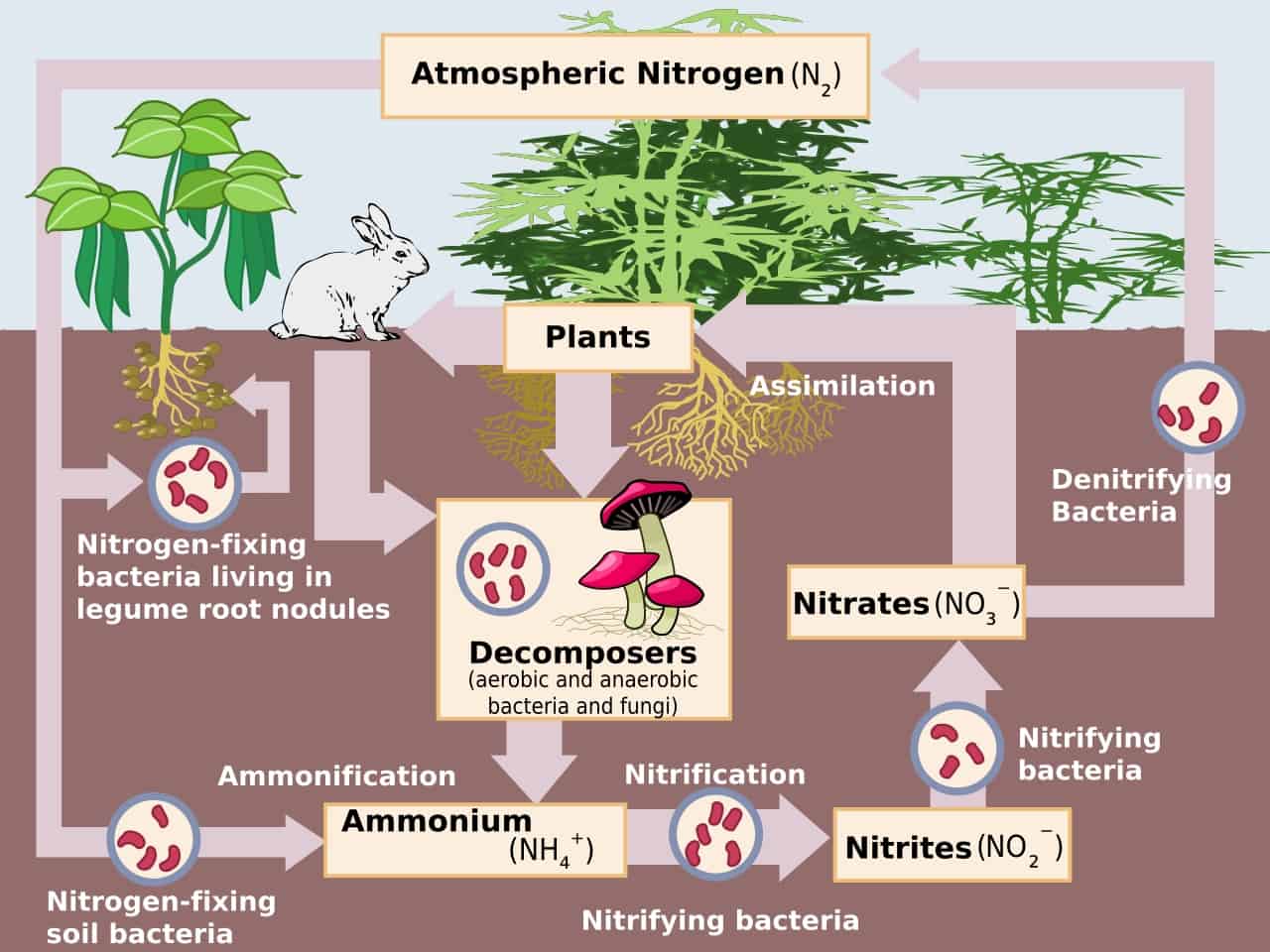
Nitrogen fixation is a chemical process by which molecular nitrogen (N2), with a strong triple covalent bond, in the air is converted into ammonia (NH3) or related nitrogenous compounds, typically in soil or aquatic systems but also in industry. Atmospheric nitrogen is molecular dinitrogen, a relatively nonreactive molecule that is metabolically useless to all but a few microorganisms. Biological nitrogen fixation or diazotrophy is an important microbially mediated process that converts dinitrogen (N2) gas to ammonia (NH3) using the nitrogenase protein complex (Nif).Nitrogen fixation is essential to life because fixed inorganic nitrogen compounds are required for the biosynthesis of all nitrogen-containing organic compounds, such as amino acids and proteins, nucleoside triphosphates and nucleic acids. As part of the nitrogen cycle, it is essential for agriculture and the manufacture of fertilizer. It is also, indirectly, relevant to the manufacture of all nitrogen chemical compounds, which includes some explosives, pharmaceuticals, and dyes.
Nitrogen fixation is carried out naturally in soil by microorganisms termed diazotrophs that include bacteria such as Azotobacter and archaea. Some nitrogen-fixing bacteria have symbiotic relationships with plant groups, especially legumes. Looser non-symbiotic relationships between diazotrophs and plants are often referred to as associative, as seen in nitrogen fixation on rice roots. Nitrogen fixation occurs between some termites and fungi. It occurs naturally in the air by means of NOx production by lightning.All biological reactions involving the process of nitrogen fixation are catalysed by enzymes called nitrogenases. These enzymes contain iron, often with a second metal, usually molybdenum but sometimes vanadium.
Read More About Nitrogen fixation / Source
Lasers

A laser is a device that emits light through a process of optical amplification based on the stimulated emission of electromagnetic radiation. The word “laser” is an acronym for “light amplification by stimulated emission of radiation”. The first laser was built in 1960 by Theodore H. Maiman at Hughes Research Laboratories, based on theoretical work by Charles Hard Townes and Arthur Leonard Schawlow.
A laser differs from other sources of light in that it emits light which is coherent. Spatial coherence allows a laser to be focused to a tight spot, enabling applications such as laser cutting and lithography. Spatial coherence also allows a laser beam to stay narrow over great distances (collimation), enabling applications such as laser pointers and lidar. Lasers can also have high temporal coherence, which allows them to emit light with a very narrow spectrum. Alternatively, temporal coherence can be used to produce ultrashort pulses of light with a broad spectrum but durations as short as a femtosecond.
Lasers are used in optical disc drives, laser printers, barcode scanners, DNA sequencing instruments, fiber-optic, semiconducting chip manufacturing (photolithography), and free-space optical communication, laser surgery and skin treatments, cutting and welding materials, military and law enforcement devices for marking targets and measuring range and speed, and in laser lighting displays for entertainment. Semiconductor lasers in the blue to near-UV have also been used in place of light-emitting diodes (LED’s) to excite fluorescence as a white light source. This permits a much smaller emitting area due to the much greater radiance of a laser and avoids the droop suffered by LED’s; such devices are already used in some car headlamps.
Read More About Lasers / Source
Radio
Radio is the technology of signaling and communicating using radio waves. Radio waves are electromagnetic waves of frequency between 30 hertz (Hz) and 300 gigahertz (GHz). They are generated by an electronic device called a transmitter connected to an antenna which radiates the waves, and received by another antenna connected to a radio receiver. Radio is very widely used in modern technology, in radio communication, radar, radio navigation, remote control, remote sensing, and other applications.
In radio communication, used in radio and television broadcasting, cell phones, two-way radios, wireless networking, and satellite communication, among numerous other uses, radio waves are used to carry information across space from a transmitter to a receiver, by modulating the radio signal (impressing an information signal on the radio wave by varying some aspect of the wave) in the transmitter. In radar, used to locate and track objects like aircraft, ships, spacecraft and missiles, a beam of radio waves emitted by a radar transmitter reflects off the target object, and the reflected waves reveal the object’s location. In radio navigation systems such as GPS and VOR, a mobile receiver accepts radio signals from navigational radio beacons whose position is known, and by precisely measuring the arrival time of the radio waves the receiver can calculate its position on Earth. In wireless radio remote control devices like drones, garage door openers, and keyless entry systems, radio signals transmitted from a controller device control the actions of a remote device.
Applications of radio waves that do not involve transmitting the waves significant distances, such as RF heating used in industrial processes and microwave ovens, and medical uses such as diathermy and MRI machines, are not usually called radio. The noun radio is also used to mean a broadcast radio receiver.
Radio waves were first identified and studied by German physicist Heinrich Hertz in 1886. The first practical radio transmitters and receivers were developed around 1895–1896 by Italian Guglielmo Marconi, and radio began to be used commercially around 1900. To prevent interference between users, the emission of radio waves is regulated by law, coordinated by an international body called the International Telecommunication Union (ITU), which allocates frequency bands in the radio spectrum for different uses.
Read More About Radio / Source
24 Best Inventions of the 20th Century | 20th century inventions | Best Inventions of the Century | Best inventions of the 20th century best invention of the century Great 20th Century Inventions from 1900 to 1949 | Great Inventions from 1900 to 1949 | Best Invention | twentieth century | Best Inventions of the 20th Century | 10 Best Inventions of the Twentieth Century | 20 Best Inventions of the Twentieth Century | 10 Best Inventions of the Twentieth Century | 20 best inventions of the twentieth century | 24 Best Inventions
Keywords:
Best Inventions of 20th Century Top Inventions of 20th Century Most Popular Inventions of 20th Century Famous Inventions of 20th Century best inventions of the 20th century Top Inventions of the 20th Century Most Popular Inventions of the 20th Century Famous inventions of the 20th century 24 best inventions of the 20th century inventions of the 20th century best inventions of the century The best inventions of the 20th century The finest invention of the century Great 20th century inventions from 1900 to 1949 Great Inventions from 1900 to 1949 best inventions twentieth century the best inventions of the twentieth century 10 best inventions of the twentieth century 20 best inventions of the twentieth century 10 best inventions of the twentieth century 20 best inventions of the twentieth century